
Emergency Contraception Services in Kampala: What You Need to Know

When you need to prevent an unplanned pregnancy after unprotected sex or contraceptive failure, knowing your emergency contraception options is crucial. In Kampala, access to safe and confidential reproductive healthcare is improving, but understanding the choices available to you can make all the difference. I want to guide you through the types of emergency contraception, how to access them, and what to expect.
Understanding Emergency Contraception Services in Kampala
Emergency contraception is a safe way to reduce the risk of pregnancy after unprotected intercourse. It is not meant to replace regular contraception but serves as a backup when other methods fail or are not used. In Kampala, emergency contraception services are offered at various healthcare centers, including clinics, pharmacies, and hospitals.
There are two main types of emergency contraception available:
Emergency Contraceptive Pills (ECPs): These pills contain hormones that delay ovulation or prevent fertilization. They are most effective when taken as soon as possible, ideally within 72 hours after unprotected sex.
Copper Intrauterine Device (IUD): This device can be inserted by a healthcare professional up to five days after unprotected sex. It prevents fertilization and can also serve as ongoing contraception.
Both options are safe and effective, but your choice may depend on timing, personal preference, and medical advice.
Where to Find Emergency Contraception Services in Kampala
Accessing emergency contraception in Kampala is easier than many think. You can find these services at:
Public health clinics: Many government-run clinics provide emergency contraception free or at a low cost. They also offer counseling and follow-up care.
Private clinics and hospitals: These facilities often provide a wider range of options, including the copper IUD. They maintain confidentiality and professional care.
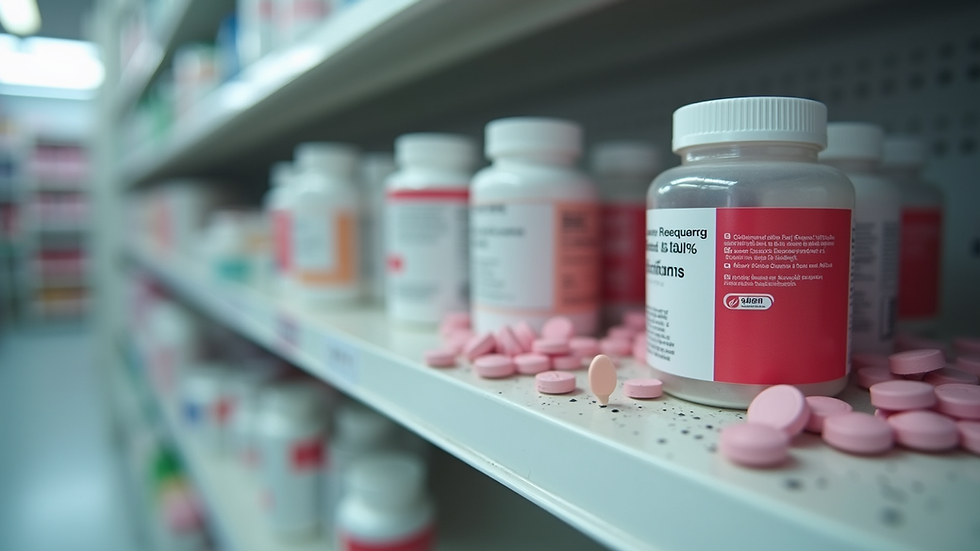
Pharmacies: Emergency contraceptive pills are available over the counter in many pharmacies. Pharmacists can offer guidance on how to use them correctly.
When seeking emergency contraception, it is important to choose a trusted provider who respects your privacy and offers accurate information. If you want to learn more about emergency contraception options in Kampala, you can visit emergency contraception kampala for detailed guidance and support.
How much does emergency contraception cost?
Cost can be a concern when accessing emergency contraception. In Kampala, prices vary depending on the type of contraception and the provider:
Emergency Contraceptive Pills: These typically cost between UGX 5,000 and UGX 15,000 at pharmacies. Public clinics may offer them for free or at a subsidized rate.
Copper IUD: The cost is higher due to the procedure involved. It can range from UGX 50,000 to UGX 150,000 depending on the facility. Some clinics include counseling and follow-up in the price.
If cost is a barrier, public health centers are your best option. They often provide emergency contraception at no charge or on a sliding scale. Always ask about payment options and any additional fees before receiving services.

How to Use Emergency Contraception Safely and Effectively
Using emergency contraception correctly is key to its effectiveness. Here are some practical tips:
Act quickly: The sooner you take emergency contraception, the better. Pills work best within 72 hours, but some can be effective up to 120 hours after unprotected sex.
Follow instructions: Read the package insert carefully or ask a healthcare provider for guidance. Take the pills exactly as directed.
Consider side effects: Some women experience nausea, fatigue, or changes in their next period. These are usually mild and temporary.
Do not use as regular contraception: Emergency contraception is not designed for frequent use. Talk to a healthcare provider about long-term contraceptive options.
Seek medical advice if needed: If you vomit within two hours of taking the pill, contact a healthcare provider as you may need to take another dose.
Remember, emergency contraception does not protect against sexually transmitted infections (STIs). Use condoms to reduce the risk of STIs and consider regular health check-ups.
What to Expect After Using Emergency Contraception
After using emergency contraception, your body may respond in different ways. Here’s what you should know:
Your next period may come earlier or later than usual.
You might experience mild cramping or spotting.
If your period is more than a week late, take a pregnancy test.
Emergency contraception will not terminate an existing pregnancy.
If you have any concerns or unusual symptoms, do not hesitate to contact a healthcare provider. They can offer reassurance and further care if needed.
Taking Control of Your Reproductive Health
Access to emergency contraception is a vital part of reproductive healthcare. Knowing your options and how to use them empowers you to make informed decisions. In Kampala, services are available to support you safely and confidentially.
If you ever find yourself needing emergency contraception, remember that help is nearby. Whether you choose pills or the copper IUD, timely action and professional guidance are essential. For ongoing support and comprehensive reproductive health services, consider visiting trusted centers like St Lawrence Medical Center.
Your health and well-being matter. Take charge with confidence and access the care you deserve.


Comments